
Cooking is more than simply combining ingredients and following a recipe. It is a skill that brings together creativity, technique, patience, and an understanding of flavors. Whether you are preparing a quick family meal or experimenting with a new cuisine, learning how to cook well can make everyday life more enjoyable.
Master the Art of Cooking is about developing the confidence to work with ingredients, understand cooking methods, balance flavors, and create meals that are both delicious and satisfying. You do not need to be a professional chef to improve your skills. With regular practice and the right knowledge, anyone can become a better home cook.
Begin With the Cooking Fundamentals
Every strong cooking foundation starts with basic skills. Before trying complicated recipes, learn how to properly prepare ingredients and understand common cooking methods.
Basic skills include chopping, slicing, dicing, measuring, boiling, steaming, sautéing, roasting, grilling, baking, and simmering.
These techniques are used in countless recipes, so becoming comfortable with them will make cooking much easier.
Start with simple dishes and focus on doing each step correctly. As your confidence grows, you can gradually move toward more challenging recipes.
Understand Your Ingredients
Great cooking begins with understanding what you are working with. Different ingredients have different textures, flavors, and cooking requirements.
Fresh vegetables can add color and natural sweetness, while herbs and spices can create depth. Proteins require careful attention to cooking time and temperature, and grains such as rice and pasta need the right amount of liquid and cooking time.
Learning how ingredients behave will help you make better decisions in the kitchen.
You will also become more comfortable substituting ingredients when something is unavailable.
Improve Your Knife Skills
Knife skills are an important part of efficient cooking. Learning how to safely chop, slice, dice, and mince ingredients can improve both preparation time and the final result.
Use a stable cutting board and a properly maintained kitchen knife. Focus on controlled movements and safe hand positioning rather than trying to cut quickly.
Consistent pieces also help ingredients cook evenly. Practice with common vegetables such as onions, carrots, potatoes, and peppers.
With regular practice, food preparation will become faster and more comfortable.
Learn How to Balance Flavors
Flavor balance is one of the most important parts of cooking. A successful dish often combines several basic flavor elements, including salty, sweet, sour, bitter, and savory notes.
Salt can enhance other flavors, while lemon juice or vinegar can provide brightness. Herbs and spices can add aroma and warmth, while sauces can bring different ingredients together.
Season gradually and taste when appropriate. Small adjustments can make a major difference.
Learning how flavors interact allows you to make improvements even when you are not following a recipe exactly.
Master Different Cooking Techniques
Different cooking techniques produce different textures and flavors. Understanding when to use each method can help you achieve better results.
Sautéing is useful for quickly cooking vegetables and proteins. Roasting can develop deep flavors and caramelized textures. Steaming is a gentle way to cook many ingredients, while grilling can add a distinctive cooked flavor.
Simmering is useful for soups, sauces, and slow-cooked dishes. Baking is essential for bread, cakes, pastries, and many other recipes.
The more techniques you learn, the more flexible you become in the kitchen.
Control Heat and Cooking Time
Heat management is a key cooking skill. Too much heat can burn ingredients, while too little may prevent food from cooking properly.
Learn how your stove and cookware respond to different temperatures. High heat is useful for browning and quick cooking, while low and medium heat can be better for sauces, soups, and slow cooking.
Cooking time is equally important. Avoid relying only on the clock. Learn to observe color, texture, aroma, and other signs that indicate when food is ready.
For temperature-sensitive foods, use a reliable kitchen thermometer when appropriate.
Prepare Before You Start
Professional kitchens rely heavily on preparation, and home cooks can benefit from the same approach.
Read the entire recipe before beginning. Gather your ingredients, prepare vegetables, measure spices, and organize the cookware you will need.
This preparation method helps prevent mistakes and makes cooking more efficient.
When everything is ready before you start, you can focus on the cooking process instead of searching for ingredients halfway through the recipe.
Discover the Power of Spices and Herbs
Spices and herbs can completely change the character of a dish. Learning how to use them effectively can take your cooking to another level.
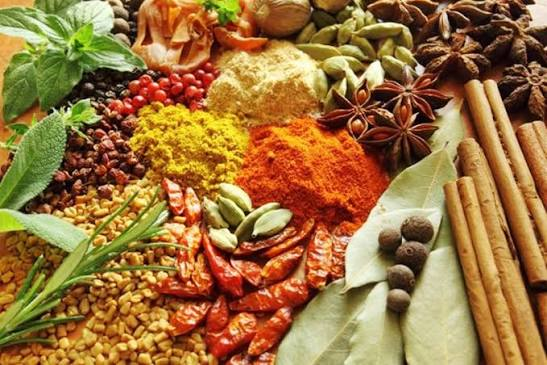
Cumin, coriander, turmeric, paprika, black pepper, chili, cinnamon, cardamom, and other spices each bring their own flavor and aroma.
Fresh herbs such as coriander, parsley, basil, mint, and rosemary can add freshness and color.
Experiment with small amounts and learn which combinations work well together.
Explore Traditional Pakistani Cooking
Pakistani cuisine offers a rich selection of flavorful dishes and cooking techniques. Traditional meals often combine aromatic spices, fresh ingredients, and slow-cooking methods.
Biryani, pulao, chicken karahi, daal, nihari, kebabs, curries, and homemade breads are examples of dishes that can help you explore Pakistani cooking.
Learning traditional recipes can also teach valuable skills such as spice preparation, layering flavors, slow cooking, and balancing rich ingredients.
You can preserve traditional methods while also adding your own creative touch.
Try International Cuisine
Exploring international food is another excellent way to develop cooking skills.
Italian, Asian, Mediterranean, Mexican, American, Middle Eastern, and many other cuisines offer unique ingredients and techniques.
Trying recipes from different cultures can teach you new ways to combine vegetables, proteins, grains, herbs, spices, and sauces.
You can also adapt international dishes using ingredients available in your local market.
Learn the Basics of Baking
Baking requires precision and patience, making it a valuable skill for anyone who wants to become a more versatile cook.
Start with simple cakes, cookies, muffins, breads, and brownies. Pay close attention to measurements, oven temperature, mixing techniques, and baking time.
Unlike many savory recipes, small changes in baking ingredients can significantly affect the final result.
Once you understand the basics, you can explore pastries, pies, decorated cakes, and more advanced recipes.
Create Healthy and Balanced Meals
Good cooking is not only about flavor. It is also about creating meals that suit your everyday needs.
Include a variety of vegetables, fruits, grains, proteins, beans, and other nutritious ingredients in your cooking.
Experiment with grilling, roasting, steaming, baking, and other preparation methods.
Healthy meals can still be flavorful when you use herbs, spices, fresh ingredients, and balanced seasonings.
Develop Your Own Cooking Style
Once you understand basic techniques, begin experimenting. Change spices, add vegetables, adjust sauces, or try different cooking methods.
You do not always need to follow a recipe exactly. Understanding the purpose of each ingredient allows you to make thoughtful adjustments.
Keep notes about successful recipes and changes you enjoy. Over time, you can develop your own collection of signature dishes.
Learn From Mistakes
Mistakes are a normal part of learning to cook. A dish may sometimes be too salty, undercooked, overcooked, or missing flavor.
Instead of becoming discouraged, think about what caused the problem. This can help you avoid the same mistake in the future.
Cooking improves through experience. Each recipe gives you another opportunity to understand timing, seasoning, texture, and technique.
Make Cooking Enjoyable
Cooking should be an enjoyable experience rather than a stressful task. Keep your kitchen organized, play your favorite music if you like, and give yourself enough time to prepare meals without unnecessary pressure.
Cooking with family or friends can make the experience even more enjoyable. Preparing ingredients together and sharing the finished meal can create lasting memories.
Practice and Keep Learning
Mastering cooking does not happen overnight. Regular practice is the key to improvement.
Try new recipes, repeat dishes you want to improve, explore new ingredients, and learn different cooking methods.
As your skills grow, you will become more confident making decisions without constantly checking a recipe.
The goal is not perfection. The goal is progress and enjoyment.
Master the Art of Cooking
Master the Art of Cooking by starting with the fundamentals and gradually building your skills. Learn how to prepare ingredients, control heat, balance flavors, use spices, explore cuisines, and understand different cooking techniques.
With practice, simple ingredients can become delicious and memorable meals. Whether you are preparing a quick weekday dinner, a traditional family dish, a healthy meal, or an impressive dessert, every recipe is an opportunity to improve.
Step into your kitchen, experiment with confidence, and enjoy the process. Good cooking begins with curiosity, grows through practice, and becomes an art through experience.