
Better cooking does not always require expensive equipment, complicated recipes, or years of experience. It starts with understanding simple techniques, choosing good ingredients, and learning how to balance flavors. Whether you are preparing a quick breakfast, a family dinner, a traditional Pakistani meal, or a delicious dessert, a few practical cooking skills can make a big difference.
Your Guide to Better Cooking is designed to help home cooks become more confident and creative in the kitchen. From preparing ingredients and mastering basic techniques to improving seasoning, meal planning, healthy cooking, baking, and exploring international flavors, there is always something new to discover. With regular practice and a willingness to learn, cooking can become easier, more enjoyable, and more rewarding.
Start With the Basics
Every great meal begins with a strong foundation. Before trying complicated recipes, it is helpful to understand basic kitchen skills and cooking methods.
Learn how to properly wash and prepare ingredients, measure quantities, control cooking temperatures, and follow recipe instructions. Basic techniques such as boiling, steaming, sautéing, roasting, grilling, frying, and simmering are useful for preparing a wide variety of meals.
Once these fundamentals become familiar, you can approach new recipes with much more confidence.
Choose Quality Ingredients
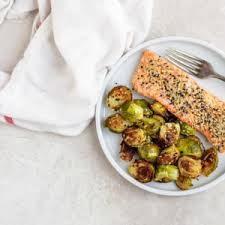
Good ingredients can make a noticeable difference in the final dish. Fresh vegetables, quality proteins, herbs, spices, grains, and other ingredients can improve both flavor and texture.
When shopping for ingredients, choose fresh seasonal produce when possible. Check the quality of meat, poultry, and seafood, and keep commonly used pantry ingredients available.
You do not need a large collection of expensive ingredients. A well-organized kitchen with useful everyday staples can provide everything you need for many delicious meals.
Improve Your Knife Skills
Knife skills are an important part of efficient cooking. Learning how to safely chop, slice, dice, mince, and julienne ingredients can make food preparation faster and more consistent.
Consistent pieces also help food cook more evenly. Vegetables cut into similar sizes are less likely to have some pieces undercooked while others become too soft.
Practice slowly at first and focus on safety and control. With regular practice, preparing ingredients will become much easier.
Learn How to Control Heat
Understanding heat is one of the most valuable cooking skills. Different foods require different temperatures and cooking times.
High heat can be useful for searing meat or quickly stir-frying vegetables, while lower temperatures are often better for simmering sauces or gently cooking delicate ingredients.
Learning how your stove and cookware respond to different heat levels will help you avoid common problems such as burnt food, uneven cooking, or dry ingredients.
Master the Art of Seasoning
Seasoning can transform an ordinary dish into something memorable. Salt, pepper, herbs, spices, garlic, ginger, citrus, and sauces can all contribute to a balanced flavor.
Instead of adding large amounts of seasoning at once, add small quantities and taste as you cook. This allows you to make adjustments without overpowering the dish.
Understanding the balance between salty, sweet, sour, bitter, and savory flavors can help you create meals that taste more complete.
Explore Pakistani Cooking
Pakistani cuisine offers a wonderful variety of flavors, spices, and cooking techniques. Traditional dishes often combine aromatic spices with onions, tomatoes, herbs, meat, vegetables, rice, and lentils.
Popular recipes such as biryani, chicken karahi, daal, pulao, nihari, kebabs, and parathas provide opportunities to practice different techniques.
Learning Pakistani cooking can also help you understand how spices are toasted, combined, and cooked to create rich and comforting flavors.
Make Healthy Cooking Easier
Healthy cooking can be simple when you focus on fresh ingredients and balanced meals. Include a variety of vegetables, fruits, whole grains, proteins, and other nutritious ingredients in your daily meals.
Cooking methods such as grilling, steaming, roasting, and baking can be useful alternatives to heavy frying when appropriate.
Healthy food should still be enjoyable. Fresh herbs, spices, garlic, ginger, lemon, and homemade sauces can add plenty of flavor without making meals complicated.
Learn Quick and Easy Recipes
Busy schedules can make cooking feel difficult, but simple recipes can help you enjoy homemade meals without spending hours in the kitchen.
Quick pasta dishes, rice bowls, sandwiches, stir-fries, soups, salads, omelets, and simple chicken or vegetable recipes can be prepared with minimal effort.
Keep a collection of easy recipes for busy days. Having a few reliable meals available can make weekly cooking much more manageable.
Improve Your Baking Skills
Baking requires accuracy and patience, but learning the fundamentals can make the process much easier. Measuring ingredients correctly, understanding oven temperatures, and following mixing instructions are important parts of successful baking.
You can start with simple recipes such as cookies, cupcakes, basic cakes, muffins, or homemade bread.
As your skills improve, explore pastries, decorated cakes, pies, and other desserts. Baking also gives you plenty of opportunities to experiment with flavors and presentation.
Organize Your Cooking Process
Good organization can make cooking faster and less stressful. Before starting a recipe, read the instructions carefully and prepare the ingredients you will need.
Chop vegetables, measure spices, prepare sauces, and arrange cooking tools before turning on the stove. This approach allows you to focus on cooking instead of searching for ingredients halfway through the recipe.
Keeping your kitchen clean and organized during cooking also makes the entire process more enjoyable.
Plan Your Weekly Meals
Meal planning can save time, reduce food waste, and make grocery shopping easier. Start by deciding what meals you want to prepare during the week.
Choose a combination of quick meals, healthy dishes, family favorites, and recipes you want to try. Make a shopping list based on those meals and check your pantry before buying new ingredients.
Planning does not mean every meal has to be fixed. Leave some flexibility for leftovers, unexpected plans, or spontaneous cooking.
Learn From Your Mistakes
Not every recipe will turn out perfectly, especially when you are learning. Instead of becoming discouraged, use cooking mistakes as opportunities to improve.
If food is too salty, too spicy, undercooked, dry, or lacking flavor, think about what happened and what you could change next time.
Keeping simple notes about successful recipes can also help you remember adjustments that worked well.
Experiment With New Flavors
Once you understand basic cooking techniques, do not be afraid to experiment. Try different herbs, spices, sauces, vegetables, and cooking methods.
You can also take inspiration from different cuisines. Combining familiar ingredients with new flavors can lead to exciting meals.
Experimenting does not mean changing everything at once. Make one or two small adjustments and see how they affect the final dish.
Cook for Family and Friends
Food becomes even more enjoyable when it is shared. Cooking for family and friends gives you a chance to practice your skills while creating memorable moments around the table.
You can prepare traditional meals for family gatherings, simple dishes for casual dinners, or homemade desserts for special occasions.
Sharing your cooking can also help you discover which recipes people enjoy most.
Build Your Own Recipe Collection
Over time, create your own collection of favorite recipes. Save recipes that your family enjoys, meals that are easy to prepare, and dishes you want to make again.
Organize your collection into categories such as breakfast, lunch, dinner, Pakistani cuisine, healthy meals, baking, desserts, and quick recipes.
Your personal recipe collection can become a useful resource whenever you need inspiration for your next meal.
Keep Improving Your Cooking Skills
Better cooking comes from learning, practicing, and experimenting. You do not need to master everything at once. Focus on one skill at a time and gradually expand your knowledge.
Practice knife skills, improve seasoning, learn new cooking methods, explore different cuisines, and challenge yourself with recipes that are slightly outside your comfort zone.
The more you cook, the easier it becomes to understand ingredients and make decisions without relying entirely on instructions.
Your Journey to Better Cooking
Becoming a better cook is a continuous journey. It begins with simple techniques and grows through practice, curiosity, and creativity. Whether you are preparing everyday family meals, healthy recipes, traditional Pakistani dishes, baked treats, or international cuisine, every recipe is an opportunity to learn something new.
Use Your Guide to Better Cooking as a starting point for building confidence in the kitchen. Choose fresh ingredients, learn the fundamentals, taste as you cook, stay organized, and do not be afraid to experiment.
Most importantly, enjoy the process. Cooking is not only about preparing food; it is about creativity, learning, sharing, and creating meals that people remember.