
Learning to cook like a professional does not mean you need an expensive kitchen, complicated equipment, or years of experience. Great cooking starts with understanding basic techniques, choosing quality ingredients, balancing flavors, and practicing regularly.
Whether you are a complete beginner or an experienced home cook who wants to improve, learning professional cooking techniques can make your meals more flavorful, consistent, and enjoyable.
Our Learn to Cook Like a Pro guide is designed to help you build confidence in the kitchen and develop practical skills that you can use with almost any recipe.
Start With the Basics
Every great cook starts with the fundamentals. Before attempting complicated dishes, learn how to prepare ingredients properly and understand the most common cooking methods.
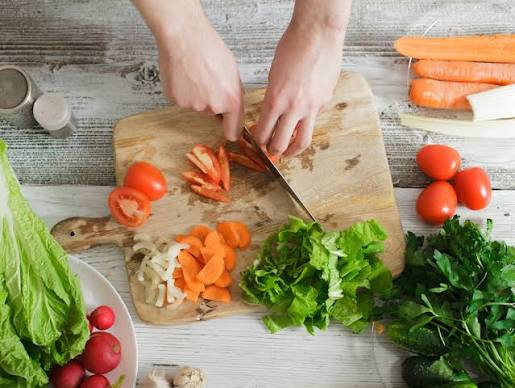
Basic skills include chopping vegetables, measuring ingredients, preparing sauces, seasoning food, boiling, steaming, sautéing, roasting, grilling, and baking.
Once these techniques become familiar, you will find it much easier to follow recipes and make adjustments when necessary.
Do not rush through the basics. Strong cooking skills are built through repetition and practice.
Learn How to Use Your Knife
Knife skills are one of the most important parts of cooking. Learning how to chop, slice, dice, and mince ingredients properly can make food preparation faster and more consistent.
Use a sharp kitchen knife and a stable cutting board. Keep your fingers positioned safely and focus on controlled movements rather than speed.
Consistent cutting also helps ingredients cook more evenly. Vegetables cut into similar sizes are more likely to reach the desired texture at the same time.
Practice simple cuts with vegetables such as onions, carrots, potatoes, and peppers until you become comfortable.
Understand Your Ingredients
Professional-style cooking starts with understanding ingredients. Learn how different vegetables, proteins, grains, herbs, spices, and sauces behave during cooking.
Fresh ingredients can provide better flavor and texture, but even simple pantry ingredients can create excellent meals when used correctly.
Pay attention to the quality, freshness, and condition of your ingredients. Understanding what each ingredient contributes to a dish will help you make better cooking decisions.
Master the Art of Seasoning
Seasoning can transform an ordinary dish into something memorable. Salt, herbs, spices, acidity, and other flavoring ingredients all play important roles.
Add seasoning gradually rather than using a large amount at once. Taste the food when appropriate and adjust as you cook.
Fresh herbs can add brightness, spices can provide warmth, and ingredients such as lemon juice or vinegar can add acidity.
Learning to balance flavors takes practice, but it is one of the most valuable skills you can develop.
Learn Different Cooking Methods
Different cooking methods create different textures and flavors. Understanding when to use each method can dramatically improve your results.
Sautéing is useful for quickly cooking vegetables, meats, and other ingredients over relatively high heat.
Roasting can bring out natural sweetness and create delicious textures, especially in vegetables and meats.
Grilling adds a distinctive cooked flavor and works well for many proteins and vegetables.
Steaming is a gentle method that can help preserve the natural texture and flavor of ingredients.
Baking is essential for breads, cakes, pastries, and many other dishes.
Experimenting with different techniques will help you understand how heat changes food.
Control Your Cooking Temperature
Temperature control is an important difference between simply following a recipe and understanding how to cook.
High heat can quickly brown ingredients, while lower temperatures are often better for slow cooking and delicate foods.
Learn to recognize how your cookware responds to heat. Avoid automatically using the highest temperature setting.
When cooking meat, baked goods, sauces, or other temperature-sensitive dishes, follow reliable recipe instructions and use a kitchen thermometer when appropriate.
With experience, you will become more comfortable judging cooking temperature by appearance, texture, and timing.
Prepare Before You Cook
Professional kitchens rely heavily on preparation. Having ingredients ready before cooking can make the process faster, safer, and more organized.
Read the entire recipe first. Gather your ingredients, measure what you need, chop vegetables, prepare sauces, and organize your cookware.
This preparation method helps prevent mistakes and ensures that you do not discover halfway through cooking that an important ingredient is missing.
A well-organized kitchen can make even complicated recipes feel much easier.
Learn to Make Simple Sauces
Sauces can add flavor, moisture, and texture to many dishes. Learning a few basic sauce techniques can dramatically expand your cooking skills.
Simple tomato sauces, creamy sauces, gravies, dressings, marinades, and herb-based sauces can be used with vegetables, pasta, meats, rice, and other foods.
Once you understand the basic ingredients and techniques behind sauces, you can start creating your own combinations.
Cook With Confidence
Confidence is an important part of becoming a better cook. Instead of worrying about making mistakes, treat every recipe as an opportunity to learn.
Start with dishes that match your current skill level. Once you become comfortable, gradually introduce more advanced techniques.
If something does not turn out perfectly, think about what happened. Was the heat too high? Did the food need more seasoning? Was it cooked for too long?
Learning from mistakes can help you improve faster.
Make Healthy Cooking Easier
Professional cooking skills can also help you prepare healthier meals at home.
Use a variety of vegetables, fruits, whole grains, beans, lentils, and lean proteins. Explore cooking methods such as grilling, roasting, steaming, and baking.
You can also prepare homemade versions of sauces, dressings, snacks, and other foods to have greater control over the ingredients.
Healthy cooking does not have to sacrifice flavor. Good seasoning and proper cooking techniques can make nutritious ingredients delicious.
Explore Different Cuisines
One of the best ways to improve your cooking is to explore different cuisines.
Try Pakistani dishes, Italian pasta, Asian-inspired meals, Mediterranean recipes, Mexican dishes, and other international favorites.
Different cuisines can teach you how to use spices, herbs, sauces, vegetables, grains, and proteins in new ways.
You may discover techniques that you can bring into your everyday cooking.
Improve Your Baking Skills
Baking requires precision, patience, and attention to detail. If you want to become a well-rounded home cook, learning basic baking skills can be extremely useful.
Start with simple recipes such as cookies, muffins, cakes, and breads. Learn how measurements, mixing methods, oven temperature, and baking time affect the final result.
As your confidence grows, you can experiment with pastries, pies, decorated cakes, and more advanced recipes.
Learn From Every Recipe
Every recipe can teach you something. Even a simple meal can help you practice knife skills, seasoning, timing, temperature control, or ingredient preparation.
After cooking, think about what worked well and what you might change next time.
You can keep notes about your favorite recipes and record adjustments to ingredients, spices, or cooking times.
Over time, these notes can become your personal cooking reference.
Organize Your Kitchen
An organized kitchen makes cooking more efficient. Keep frequently used ingredients and utensils easy to access.
Clean your workspace regularly and wash or organize equipment as you go when practical.
Make sure cutting boards, knives, cookware, and other tools are clean and suitable for their intended use.
A comfortable cooking environment allows you to focus more on preparing the food.
Practice Makes You Better
There is no shortcut to becoming a great cook. Regular practice is one of the most effective ways to improve.
Try preparing the same recipe several times. Each attempt can help you understand timing, seasoning, texture, and technique better.
As you gain experience, you will naturally become faster and more confident.
Do not compare your first attempts with someone else’s years of experience. Focus on improving one skill at a time.
Create Your Own Cooking Style
Once you understand the fundamentals, you can begin developing your own cooking style.
Experiment with spices, sauces, ingredients, and presentation. Modify recipes according to your preferences and discover combinations that work for you.
Professional cooking is not only about following instructions. It is also about understanding why techniques work and knowing when to make adjustments.
Start Cooking Like a Pro
Learning to cook like a pro is a journey built on knowledge, practice, patience, and creativity. You do not need to master everything at once.
Start with basic techniques, improve your knife skills, understand ingredients, learn seasoning, control cooking temperatures, and explore different cuisines.
With regular practice, you can become more comfortable in the kitchen and prepare meals with greater confidence.
Learn to Cook Like a Pro, experiment with new recipes, and enjoy the process of becoming a better home cook. Every meal is another opportunity to learn, improve, and create something delicious.